
Quick Answer
For most NRI owners with a rented or frequently vacant Mumbai flat, full property management is the safer choice because it combines local visits with tenant follow-up, repair oversight, records, and handovers. A caretaker can work for a stable, low-touch home when you already have trusted people managing every other task.
Introduction
The decision between a property caretaker and a property management company comes down to accountability, not simply whether someone holds a spare key. A caretaker provides presence and basic watchkeeping, while a management partner coordinates the ongoing work that ownership creates. For an owner abroad, the missing piece is usually verified follow-through after a tenant reports an issue, a repair is approved, or keys change hands. A flat can look quiet from afar while small unresolved issues accumulate locally.
Key Takeaways:
- Choose a caretaker only when your flat needs simple checks and you retain operational control.
- Choose management when tenants, repairs, records, or handovers need consistent local coordination.
- Written scope, updates, and approval rules matter more than the label a provider uses.
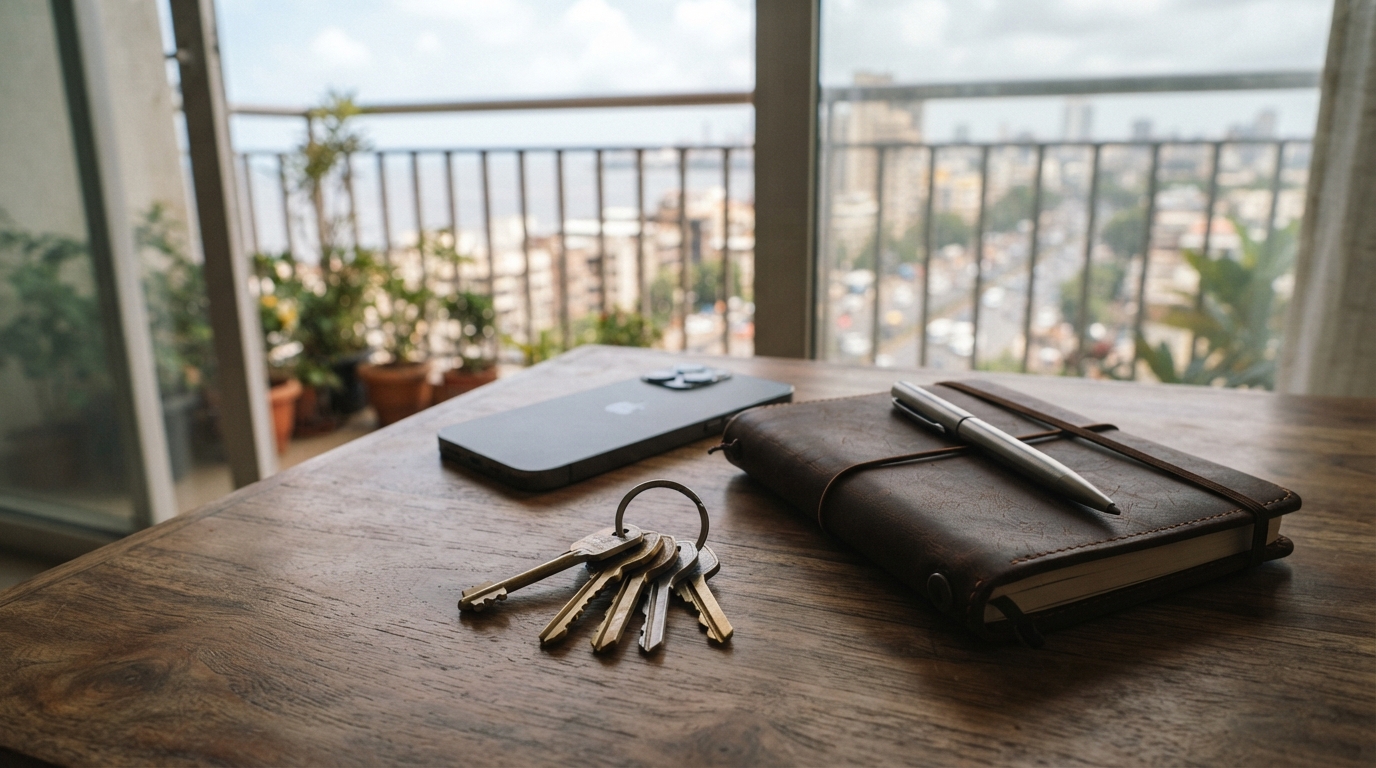
Property caretaker vs property management company: key differences
A caretaker and a property manager are not interchangeable roles. A caretaker generally checks access, notices visible problems, and may arrange basic help when asked. A full property management service for NRI owners assigns responsibility for coordinating recurring owner-side tasks and documenting what happened.
What a caretaker arrangement usually covers
A caretaker is useful when the owner has a stable tenant, reliable vendors, and time to make decisions remotely. The owner should still define access, reporting, spending authority, and any limited power of attorney in writing, especially where documents must be signed locally. A carefully limited power of attorney can restrict authority to a specific property task rather than transfer broad control.
- Access checks: Confirms doors, locks, and utilities appear normal.
- Basic presence: Provides a local contact for simple visits.
- Owner approvals: Leaves decisions and vendor follow-up with you.
- Limited records: Documentation depends on the individual arrangement.
Where caretaker support can leave gaps
The choice between a caretaker and full property management becomes more consequential when a tenant leaves, rent is delayed, or a repair needs verification after completion. A caretaker may alert you, but someone still needs to compare quotes, coordinate access, update the tenant, retain invoices, and close the loop. The agreement should state written repair responsibilities so routine maintenance does not become an avoidable argument.
How full management reduces remote ownership gaps
Full property management makes managing a flat in Mumbai remotely a repeatable workflow: inspect, communicate, obtain owner approval where needed, coordinate the work, and retain the record. It is designed for owners who cannot personally chase tenants, society offices, or contractors across time zones.
Compare the work, not the job title
Use this comparison to identify the support your flat actually requires. The right choice is the one that assigns a clear person to each recurring task before a problem occurs.
| Owner task | Caretaker | Property management |
|---|---|---|
| Routine visits | Basic visual check | Scheduled inspection with owner update |
| Tenant communication | May pass on messages | Coordinates routine owner-side follow-up |
| Repairs | May arrange a vendor | Coordinates quotes, access, completion, and records |
| Rent follow-up | Usually owner-led | Tracks and follows up with the tenant |
| Move-in and exit | May be present | Documents condition, keys, and handover steps |
The critical difference is continuity. For tenant coordination in Mumbai, a provider should show how an issue moves from report to owner decision to documented closure, rather than relying on informal messages alone.
Repairs are where informal arrangements most often lose visibility. Good repair management for a Mumbai flat includes photographs or notes before work, an agreed scope, tenant access coordination, and confirmation after completion. Keeping agreements and communication organized helps owners track responsibilities and address disputes with appropriate legal advice.
Questions to ask before appointing anyone
Ask who visits the flat, what triggers an update, who can approve spending, and where inspection photos, invoices, tenant messages, and handover notes are stored. Clear help with property handovers in Mumbai is important because keys, fixtures, and existing condition are easiest to verify before occupancy changes.
Define Authority, Not Just Tasks
Record access, reporting, spending and approval limits in the service agreement. A caretaker's presence does not automatically confer authority to sign tenancy documents, appoint contractors or use a power of attorney. Have any formal authority drafted or reviewed for the specific task and current circumstances.
Conclusion
A caretaker can be enough for a stable flat that only needs occasional local presence, provided you remain ready to manage tenant, repair, and paperwork decisions yourself. Full management is the more practical choice when distance prevents you from checking work, responding quickly, or maintaining a reliable record trail. Keyhold supports Mumbai owners with owner-side inspections, tenant coordination, repair follow-up, paperwork, and handover records. Choose a written scope that makes responsibility visible before the next repair, renewal, or vacancy tests it.
Need local follow-through for your Mumbai flat? Connect with Keyhold for practical owner-side coordination.
Frequently Asked Questions (FAQs)
How to manage my rental flat in Mumbai from abroad?
Managing your rental flat in Mumbai from abroad requires a local workflow for inspections, tenant communication, repair approvals, rent follow-up, and records, with one accountable contact who reports what was observed, what action is pending, and what has been completed rather than sending only occasional updates.
What is the difference between a property caretaker and property management?
The difference between a property caretaker and property management is that a caretaker mainly provides local presence or basic checks, while property management coordinates recurring operations such as tenant follow-up, maintenance, inspection evidence, paperwork tracking, and move-in or move-out handovers for the owner.
Why do NRI owners need local property support in Mumbai?
NRI owners need local property support in Mumbai because distance makes it difficult to inspect a leak, meet a vendor, respond to society requests, verify a completed repair, or document a handover, and delayed local action can turn a manageable issue into an owner problem.
How to handle rental property repairs while living outside India?
Handling rental property repairs while living outside India means receiving a clear issue report, approving the required scope before work begins, arranging tenant access, retaining invoices and completion evidence, and checking whether the repair resolved the reported problem instead of relying solely on verbal confirmation.
Can a property management company handle flat inspections in Mumbai?
A property management company can handle flat inspections in Mumbai when its scope includes scheduled visits, condition notes, photographs or videos where appropriate, issue escalation, and documented follow-up, giving a remote owner a usable record of the home’s condition rather than an informal assurance.