
Quick Answer
Mumbai flat water supply maintenance for a vacant home requires three controls: isolate avoidable plumbing risks, arrange documented local inspections, and set a clear response path for society notices, pump failures, or leaks. Owners living abroad should treat water oversight as an active maintenance routine, not a utility bill to be paid and forgotten.
Introduction
Managing vacant apartments in Mumbai means planning for water issues before they become visible through a neighbour's ceiling or a society complaint. Municipal restrictions, building tank problems, failed pumps, seepage, and internal leaks can affect an empty flat without warning an NRI owner. The practical goal is not to keep every water point running, but to know what is isolated, what the society controls, and who can enter the flat when conditions change. A small unresolved stain can become a difficult handover record when the property is later rented or occupied.
Key Takeaways:
- Document every wet area before the flat becomes vacant.
- Give a local contact defined access and approval instructions.
- Separate building-wide disruptions from in-flat plumbing faults.
Mumbai Flat Water Supply Maintenance Before You Leave
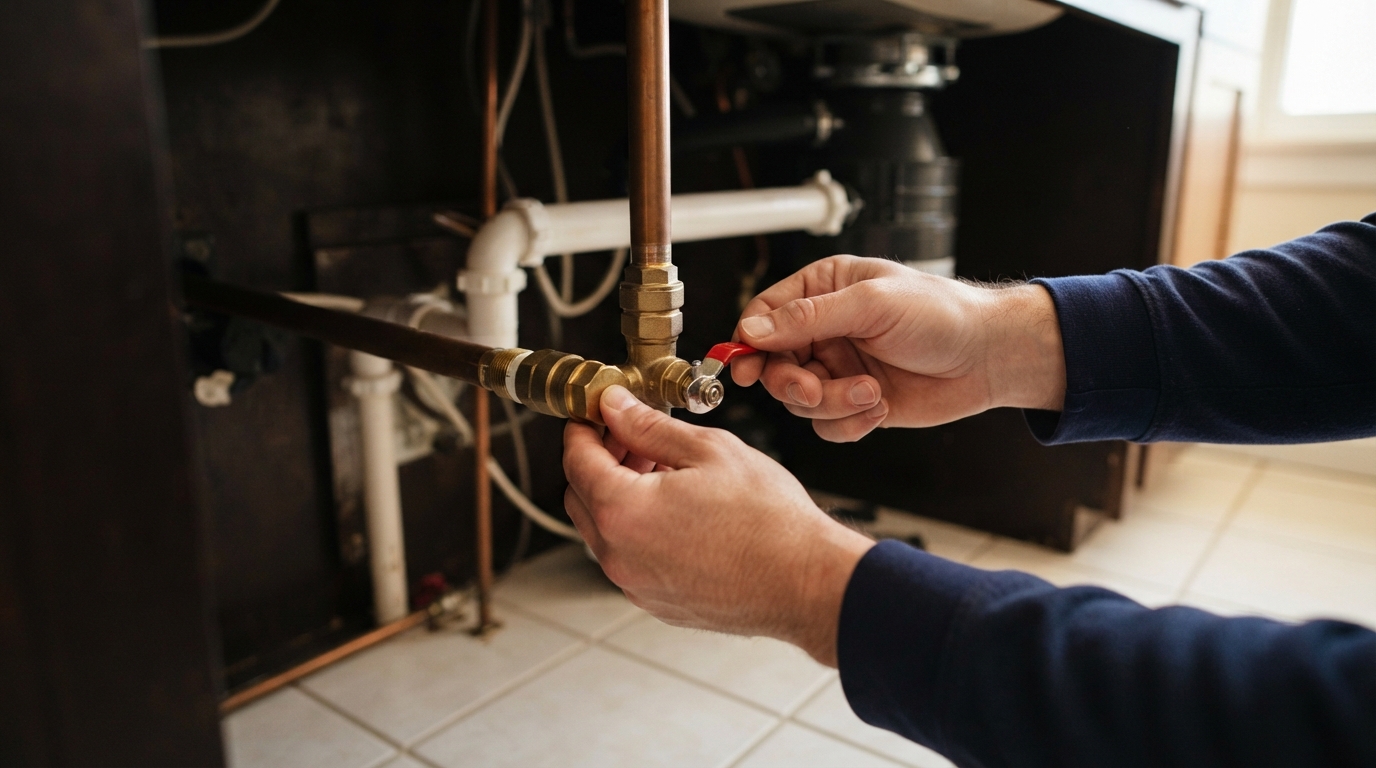
Preparation is the most useful form of proactive flat maintenance Mumbai owners can complete because it creates a known starting condition. Walk through bathrooms, the kitchen, utility area, balconies, and any service spaces while water is available and access is simple. Record valve locations, fixture condition, signs of earlier seepage, and the contact details of the society office, plumber, and authorised keyholder. Keep this material in one owner-controlled folder rather than spreading it across messages, photographs, and old invoices.
Set up a controlled vacancy
Before vacancy, ask a qualified plumber to check taps, flush points, hoses and joints, and photograph the baseline. Confirm with the society which clearly identified flat-level valves may be isolated and which supply must remain available. Do not shut shared tanks, pumps, fire lines or an unfamiliar valve; record the approved shutdown and reopening instructions.
- Main valve: Label its location for authorised access.
- Fixture valves: Isolate unused appliance connections.
- Flexible hoses: Photograph joints below sinks and basins.
- Drain traps: Check for blockage, odour, or dryness.
- Water heater: Switch off power and inspect connections.
Confirm what the building controls
Your apartment plumbing connects to a larger system of tanks, pumps, shafts, drainage stacks, and pressure arrangements. In a tower, ask the society how it announces planned shutdowns, who handles pump complaints, whether flat access is needed during common-pipe work, and which contact receives an after-hours report. Guidance on water supply zoning highlights why tanks, pressure management, drainage, and maintenance access must be treated as connected building systems rather than isolated flat-level issues.
Utility Management for Vacant Flats Mumbai Owners Can Run Remotely
A workable remote plan defines the inspection cadence before vacancy, then adds visits after a society complaint, water interruption, repair, or unusually heavy rain. Each visit should use the same checklist and produce the same evidence, so an owner can see whether a mark is new, unchanged, or worsening. This approach is more dependable than relying on casual reassurance from a neighbour because water damage is often gradual and localised. For overseas owners, vacant flat monitoring should combine a physical visit, a written update, and a decision trail for anything requiring work.
Use one inspection sequence every time
Start outside the front door by checking the corridor wall, ceiling, and threshold for dampness or signs that water has travelled from another unit. Inside, inspect under kitchen and bathroom sinks, around toilet bases, near water heaters, at washing-machine points, around balcony drains, and at ceiling corners below upper-floor wet areas. A property inspection checklist should capture water pressure, drainage flow, rust, unusual odours, damp cabinet bases, bubbling paint, and any moisture near a shared wall.
Take both a wide photograph of the room and a close image of any concern, then add a short note that identifies its precise location. The update to the owner should separate completed checks from observations that need watching and issues that require approval. That format avoids the common remote-owner problem of receiving a message that the flat is fine while an unexplained water stain remains undocumented. Residential property inspection services Mumbai owners use should produce evidence that remains useful at repair time and future handover.
Know the signals that need a focused visit
Water problems do not always begin with a burst pipe. A recurring drain smell, a rusted fitting, peeling paint, a swollen cabinet edge, damp grout, a new ceiling patch, or persistent moisture near a common shaft deserves a closer inspection. A property maintenance checklist helps distinguish routine observation from an issue that needs containment, society communication, or vendor access before the flat is occupied again.
Responding to Water Cuts, Pump Failures, and Leaks
Confirm with the society whether an interruption affects the building, wing or only the flat. Retain the current notice and restoration advice rather than treating a past citywide water-cut report as today's restriction. Defer nonessential water-heavy work during an actual supply restriction.
Use a clear response path for each event
For a building-wide outage, ask whether the affected area is the full society, one wing, or a particular floor, and request the society's restoration process in writing. For a pump or tank issue, note whether access to the flat is needed and whether the issue affects common supply or drainage. The society's responsibility includes maintaining common property, and housing-society maintenance guidance lists external water pipelines, water pumps, water storage tanks, and drainage lines among society-maintained items.
For an in-flat leak, instruct the authorised person to close the relevant valve if it is safe to do so, photograph the condition before work starts, and alert the society before any work affects a common pipe, external wall, or service shaft. When water has reached another home, containment and access take priority over diagnosing responsibility from afar. Record the initial complaint, access permission, photographs, vendor attendance, completed work, and invoice in the same file.
Keep authority with the owner
A local property representative Mumbai owners appoint should have keys, society contact details, and authority to inspect, but should not hold open-ended approval to commission work. Set written limits for emergency access, spending approval, preferred vendors, and the evidence required before payment. For owners needing NRI home maintenance assistance, Keyhold provides owner-side coordination for inspections, repairs, paperwork, and handover records across Mumbai homes.
Seasonal Checks and Tenant-Ready Records
Water planning should change with the property's status. Before monsoon, inspect balconies, drainage points, window seals, exterior-facing walls, and ceiling corners because rain ingress can resemble a plumbing issue. Before a tenant moves in, test supply and drainage, note visible fixture condition, and preserve dated photos as the handover baseline. The same records are useful if a later repair requires access through the flat or if a new occupant reports an earlier stain.
Prepare before monsoon pressure exposes weak points
A pre-monsoon maintenance checklist should include drains, balcony outlets, window frames, bathroom seals, and visible water-entry points. Coordinate with the society before external waterproofing or common drainage work, since an internal repair may not address a source outside the flat. Retain photos and invoices with the inspection report so the property history remains clear when the vacancy ends.
Build a handover-ready file
Keep inspection reports, repair invoices, society messages, utility notices, valve photographs, and before-and-after images together. This record gives the next visitor context without requiring the owner to reconstruct events from calls across time zones. Apartment handover services Mumbai owners arrange are more effective when the condition record already identifies completed maintenance, active observations, and any item awaiting society action.
A Safe Vacancy and Reopening Checklist
Record the approved flat-level valve positions, authorised keyholder and plumber/society contacts. During visits, check for new dampness, leaking fittings, unusual odours and dry drain traps; have the qualified person maintain traps appropriately rather than leaving them dry. Before occupation, arrange a plumbing check and appropriate flushing/recommissioning for the period of stagnation and building system. Do not operate electrical devices near water or reopen an unexplained leaking system. Keep the visit and reopening evidence with the original baseline.
Conclusion
A vacant Mumbai flat is safer when water oversight is organised before the owner leaves, not after a complaint arrives. Isolate unnecessary risks, set a repeatable local inspection routine, and require written evidence whenever a disruption, leak, or repair occurs. Confirm where society responsibility begins and where flat-level action is required, especially when tanks, pumps, pipes, or drainage affect multiple homes. Keyhold is a practical choice for Mumbai owners who need local coordination for inspections, repairs, paperwork, and handovers while remaining in control of decisions.
Need local follow-through for your vacant property? Connect with Keyhold for owner-side support in Mumbai.
Frequently Asked Questions (FAQs)
How to manage water supply in a vacant Mumbai apartment?
Managing water supply in a vacant Mumbai apartment means documenting the plumbing condition before vacancy, identifying which valves can be isolated, confirming society contacts for tank or pump notices, and assigning an authorised visitor to inspect dampness, drainage, fittings, and visible leaks whenever a scheduled or triggered visit is needed.
What services help NRIs manage vacant properties in Mumbai?
Services that help NRIs manage vacant properties in Mumbai can coordinate physical inspections, access for repair vendors, society communication, photo reports, maintenance follow-up, paperwork, and handover records, allowing the owner to approve meaningful actions remotely while a local coordinator handles the practical work that requires a Mumbai presence.
Can property managers handle utility interruptions in Mumbai?
Property managers can handle utility interruptions in Mumbai by receiving society updates, confirming whether the disruption is building-wide or limited to one flat, arranging access where necessary, documenting visible water damage, and coordinating follow-up repairs, although municipal restoration decisions and society operations remain outside their direct control.
How to prevent water and utility issues in unoccupied flats?
Preventing water and utility issues in unoccupied flats requires a pre-vacancy plumbing check, isolation of unused supply points where suitable, a documented photo baseline, current society contact details, and recurring local inspections that look for leaks, odours, staining, blocked drains, corrosion, or moisture before damage spreads.
What is the best way to maintain a vacant apartment in Mumbai?
The best way to maintain a vacant apartment in Mumbai is to use a documented owner routine covering plumbing, electrical safety, security, pest signs, society communication, repair approvals, and inspection evidence, because a clear baseline and consistent local follow-through make property changes easier to identify and address promptly.